$49.00
Buy CourseCorporate Travel | Proper Management of a Corporate Travel Program
First, global business travel remains highly volatile. However, corporations still rely heavily on travel to conduct business. Face-to-face meetings drive sales and executive alignment. Consequently, your travel spend category constantly faces pressure to deliver maximum results efficiently.
Therefore, this course delivers the ultimate blueprint for Corporate Travel | Proper Management of a Corporate Travel Program. Initially, you will learn to establish robust program governance. Next, you will develop an enforceable corporate travel policy. Furthermore, this course guides you through effective supplier management. You will learn to identify preferred airlines and hotels, negotiate strategic contracts, and mitigate supplier risks effectively.
Additionally, you will master cost control strategies. Specifically, you will explore top Travel Management Platforms (like SAP Concur and TravelPerk) and Expense Management tools (like Expensify). Ultimately, this course empowers you to track compliance, utilize key performance indicators (KPIs), and transform your travel program into a streamlined, cost-effective operation.
What You Will Learn
- Lesson 1: Program Governance – First, define your core objectives. Learn to balance cost efficiency, strict compliance, employee satisfaction, and sustainability initiatives.
- Lesson 2: Develop a Corporate Travel Policy – Next, create clear booking guidelines. Establish advance booking requirements, group travel rules, and comprehensive expense policies.
- Lesson 3: Preferred Vendors & Strategic Partnerships – Discover how to select approved airlines and hotels. Additionally, set clear guidelines for ground transportation and business class travel.
- Lesson 4: Effective Supplier Management – Learn why travel supplier management requires unique strategies. Evaluate routes, loyalty programs, and Travel Management Companies (TMCs).
- Lesson 5: Preferred Travel Supplier Selection – Master the RFP process. Evaluate metrics, run pilot programs, negotiate volume discounts, and establish strict Service-Level Agreements (SLAs).
- Lesson 6: Supplier Risk Management – Protect your travelers. Establish backup vendor options, conduct regular financial risk assessments, and draft safe contract termination clauses.
- Lesson 7: Cost Control Strategies – Implement real-time monitoring. Utilize dynamic pricing agreements, travel dashboards, and platforms like Egencia and Zoho Expense to control your budget.
- Lesson 8: Compliance and Reporting – Finally, track the metrics that matter. Measure your Policy Compliance Rate, Advance Booking Rate, and Non-Compliant Expense Rate to ensure lasting savings.
Why Learn with James E. Martin
James E. Martin brings over three decades of executive experience in procurement and supply chain leadership. Primarily, he helps organizations navigate complex sourcing strategies, supplier relationships, and operational transformations.
James is the Founder and Publisher of the Supply Chain Leadership Network (PGSCP), one of the largest global professional communities on LinkedIn with over 166,000 members. Previously, he served as the Director of Corporate Services at MUFG, where he partnered directly with the CPO to oversee travel, marketing, and IT operations. Additionally, his extensive corporate background includes serving as Senior Manager of Procurement & Travel at Broadridge Financial Solutions and Senior Director of Global Sourcing at News Corporation. James holds a BBA from Hofstra University and is a Certified Sourcing Professional (CSP) through SIG University. Ultimately, his deep, hands-on expertise ensures you receive practical, boardroom-tested strategies.
Who Is This Course For?
Specifically, this course targets supply chain and logistics professionals, procurement leaders, and human resources personnel tasked with managing or overhauling company travel expenses.
Suitable Roles:
- Entry-Level: Procurement Assistant, Travel Coordinator, Purchasing Coordinator.
- Mid-Level: Travel Manager, Sourcing Analyst, Category Manager, Procurement Specialist.
- Senior-Level: Director of Corporate Services, Head of Procurement, Strategic Sourcing Manager.
- Executive-Level: Chief Procurement Officer (CPO), VP of Sourcing, Director of Operations.
- Specialized Titles: Corporate Travel Manager, Indirect Procurement Manager, Vendor Relationship Manager.
Requirements
- Access to the Internet.
- Computer, laptop, or mobile device.
What Is Included?
- Immediate unlimited access to course materials.
- 30-day money-back guarantee.
- Practical exercises and policy checklists.
- English closed captions.
- Full PDF transcripts for each lesson.
- Mobile and desktop compatibility.
- SCMDOJO Certification upon passing the course quiz.
Frequently Asked Questions (FAQs)
How do you reduce corporate travel costs effectively?
Strategy clearly comes first. To reduce costs, organizations must mandate advance booking incentives (usually 14–21 days prior). Next, you should negotiate volume discounts with preferred airlines and hotels. Finally, implementing a dynamic travel approval process prevents unauthorized, last-minute spending.
What are the best software tools for managing corporate travel?
Leveraging technology remains critical for compliance. First, utilize Travel Management Platforms (TMCs) like SAP Concur, Egencia, or TravelPerk to centralize bookings. Next, integrate Expense Management tools like Expensify, Brex, or Rydoo for seamless receipt tracking. Finally, use data analytics tools like Power BI to visualize your travel spend.
How do you enforce a corporate travel policy?
Enforcement requires visibility and structure. First, require employees to acknowledge the policy upon hiring. Next, set up automated compliance alerts in your booking systems. Furthermore, conduct periodic audits using compliance checklists. Finally, clearly define non-compliance penalties, such as refusing reimbursement for unauthorized upgrades.
What KPIs should a corporate travel program track?
You cannot manage what you do not measure. Essential cost-related KPIs include Total Travel Spend, Cost per Trip, and Cost per Employee. Additionally, you must track compliance KPIs. These include your Policy Compliance Rate, Advance Booking Rate, and your Non-Compliant Expense Rate.
Visit SCMDOJO Academy to see more courses and the SCMDOJO YouTube Channel to find other supply chain expert videos.
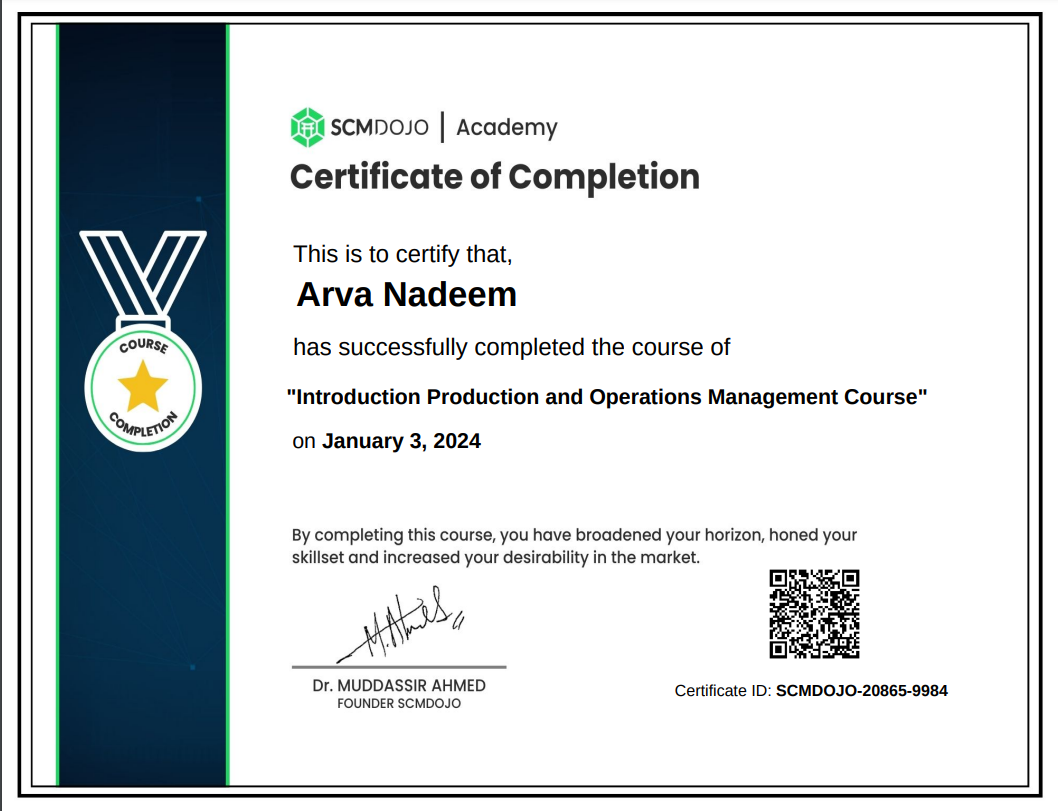
Shareable certificate
 Academy
Certificate of Completion
- Showcase on your LinkedIn Profile under the "Licenses & certifications" section
- Download or print out as PDF to share with others
- Share as PDF online to demonstrate your skill
- The certificate's authenticity can be confirmed online using a QR code
Upgrade to Pro plan
to avail more discounts and perks
Become Member
Refund policy
If you’re not 100% satisfied with the purchase, or it’s not what you were expecting, just reply to [email protected] within 30 days, and you’ll get a full refund. No questions asked. Please note the Refund Policy applies to Course Video and is NOT applicable to any Best Practices, eBooks or any digital download purchases as per our Refund Policy