$49.00
Buy CourseSAP S/4HANA Enterprise Structure & Procurement Network Design
Course Description
First, mapping your organization correctly inside SAP represents a critical foundational step. Therefore, this course focuses entirely on SAP S/4HANA Enterprise Structure & Procurement Network Design. Initially, you will learn the exact organizational hierarchy. Specifically, we cover the Client, Company Code, Plant, and Storage Location levels.
Next, we dive deep into purchasing organizations. Consequently, you will fully understand centralized, decentralized, and hybrid procurement models. Furthermore, you will learn to configure purchasing groups effectively. Additionally, we provide a robust decision framework. This framework helps you confidently choose between global and regional procurement models based on your company's specific needs.
Ultimately, a flawed enterprise structure design costs millions to fix after go-live. Therefore, taking this course ensures you design your SAP network correctly from day one. You will transition smoothly from business requirements directly into SAP configuration.
What You Will Learn
- Lesson 1: Enterprise Structure Hierarchy – First, map the core organizational backbone. Specifically, learn the four essential levels: Client, Company Code, Plant, and Storage Location.
- Lesson 2: Company Code & Plant Deep Dive – Next, differentiate between financial and operational building blocks. Understand how company codes handle balance sheets, while plants manage physical manufacturing and warehousing.
- Lesson 3: Purchasing Organization Structures – Explore crucial design decisions. Learn the distinct advantages and disadvantages of centralized, decentralized, and hybrid purchasing organization models.
- Lesson 4: Purchasing Group Configuration – Assign buyers and teams correctly. Discover why you should align purchasing groups by material categories instead of individual employee names.
- Lesson 5: Global vs. Regional Procurement Models – Finally, utilize a clear decision framework. Learn to assign purchasing organizations to company codes and plants using specific T-Codes like OX08, OX01, and OX17.
Why Learn with Tauseef Irfan
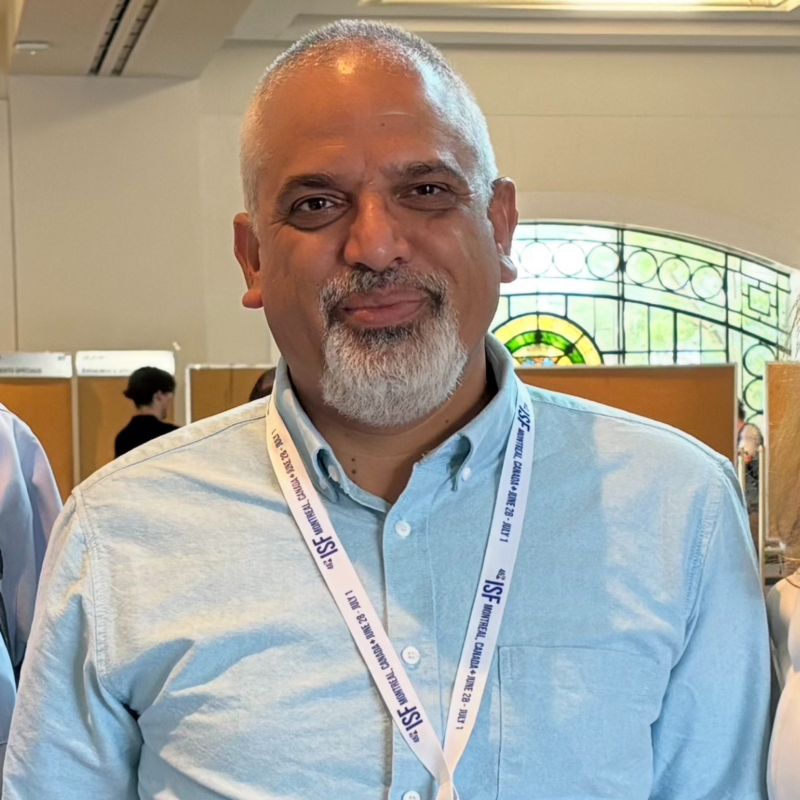
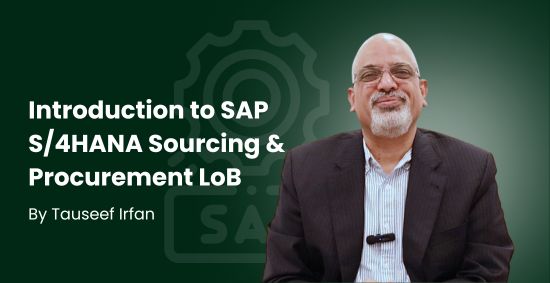
Tauseef Irfan (M.Eng., MBA, PMP, CPIM, CSCP) is a highly accomplished Supply Chain AI Consultant and the Founder of SCIQLab. He is fully certified in SAP S/4HANA MM and SAP IBP.
With over 20 years of experience, Tauseef leads massive supply chain transformations across planning, procurement, inventory, and manufacturing. Previously, he held senior leadership and consulting roles at top-tier companies including Amazon, PwC, T-Mobile, Nordstrom, and Bayer. Currently, he specializes in helping manufacturers and distributors accelerate their SAP S/4HANA transformations and deploy AI-enabled operating models. Tauseef strongly believes the future of supply chain is shifting from static dashboards to active decision engines. Consequently, his teaching delivers practical, high-ROI insights that prepare you for the AI-native era of supply chain.
Who Is This Course For?
Specifically, this course targets supply chain, procurement, and logistics professionals. It specifically helps individuals looking to bridge the gap between business operations and SAP S/4HANA system architecture.
Suitable Roles:
- Entry-Level: Procurement Assistant, Junior Buyer, Logistics Coordinator.
- Mid-Level: Procurement Specialist, Sourcing Analyst, Category Manager, SAP MM Key User.
- Senior-Level: Procurement Manager, Director of Sourcing, Supply Chain Transformation Lead.
- Executive-Level: Chief Procurement Officer (CPO), VP of Supply Chain, Director of Operations.
- Specialized Titles: SAP MM Consultant, Business Analyst, ERP Implementation Specialist.
Requirements
- Access to the Internet.
- Computer, laptop, or mobile device.
- Basic understanding of general procurement concepts.
What Is Included?
- Immediate unlimited access to course materials.
- 30-day money-back guarantee.
- Practical configuration examples and structure mapping.
- English closed captions.
- Full PDF transcripts for each lesson.
- Mobile and desktop compatibility.
- SCMDOJO Certification upon passing the course quiz.
FAQs
What is the SAP Enterprise Structure hierarchy for procurement? First, the hierarchy starts at the Client level. Next, it drops to the Company Code. Then, it goes down to the Plant. Finally, it ends at the Storage Location. You must follow this exact structure to accurately map your organization inside SAP.
What is the difference between a Company Code and a Plant in SAP? A Company Code represents a legal financial entity. Consequently, it handles balance sheets, income statements, and local currencies. Conversely, a Plant represents the operational hub. Therefore, it manages physical manufacturing, MRP, and warehouse inventory.
What are the three Purchasing Organization models? First, the Centralized model maximizes bulk volume discounts. Second, the Decentralized model empowers local plants with faster decision-making. Finally, the Hybrid model combines both approaches. Consequently, it uses a corporate reference organization alongside regional organizations.
How should we configure Purchasing Groups? Purchasing groups represent individual buyers or buyer teams. Crucially, they operate at the broader Client level. Therefore, you should always organize them by material groups (like raw materials or MRO) rather than by individual employee names, as employees frequently change roles.
How do I choose between a Global or Regional procurement model? First, analyze your vendor overlap and your regulatory complexity. Next, assess your shared materials. If you share over 80% of materials globally, choose a centralized model. However, if your spend is highly localized with distinct regional vendors, a decentralized regional model works best.
Shareable certificate
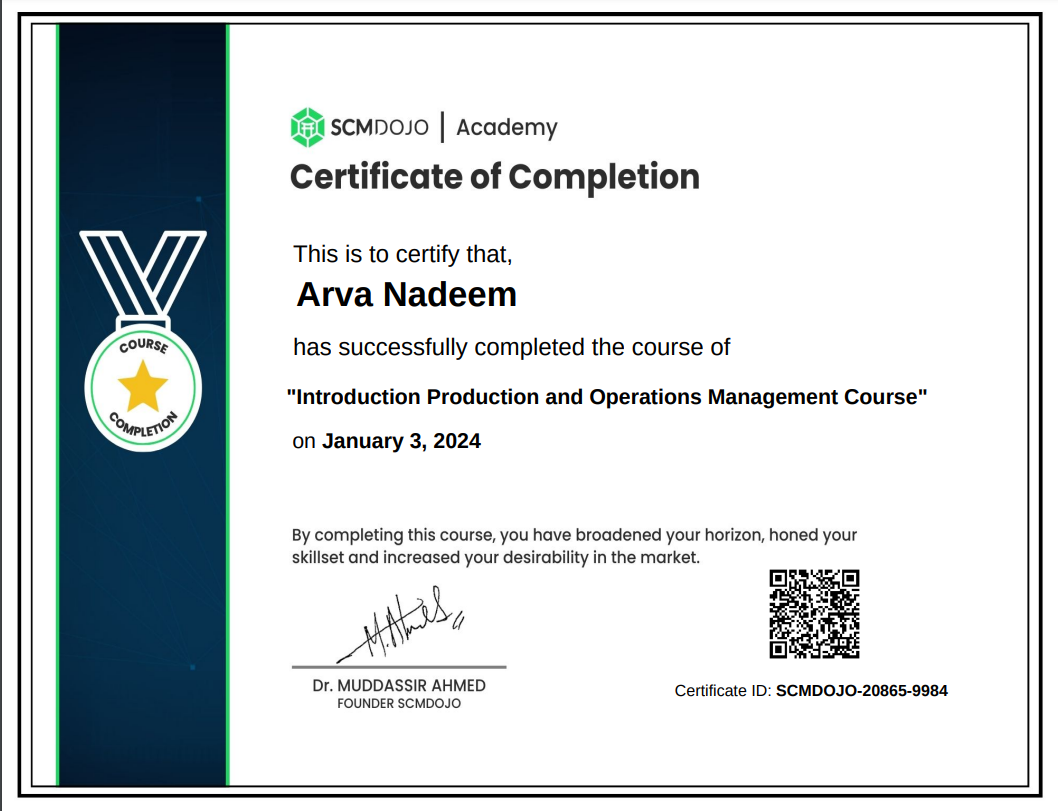
 Academy
Certificate of Completion
- Showcase on your LinkedIn Profile under the "Licenses & certifications" section
- Download or print out as PDF to share with others
- Share as PDF online to demonstrate your skill
- The certificate's authenticity can be confirmed online using a QR code
Upgrade to Pro plan
to avail more discounts and perks
Become Member
Refund policy
If you’re not 100% satisfied with the purchase, or it’s not what you were expecting, just reply to [email protected] within 30 days, and you’ll get a full refund. No questions asked. Please note the Refund Policy applies to Course Video and is NOT applicable to any Best Practices, eBooks or any digital download purchases as per our Refund Policy